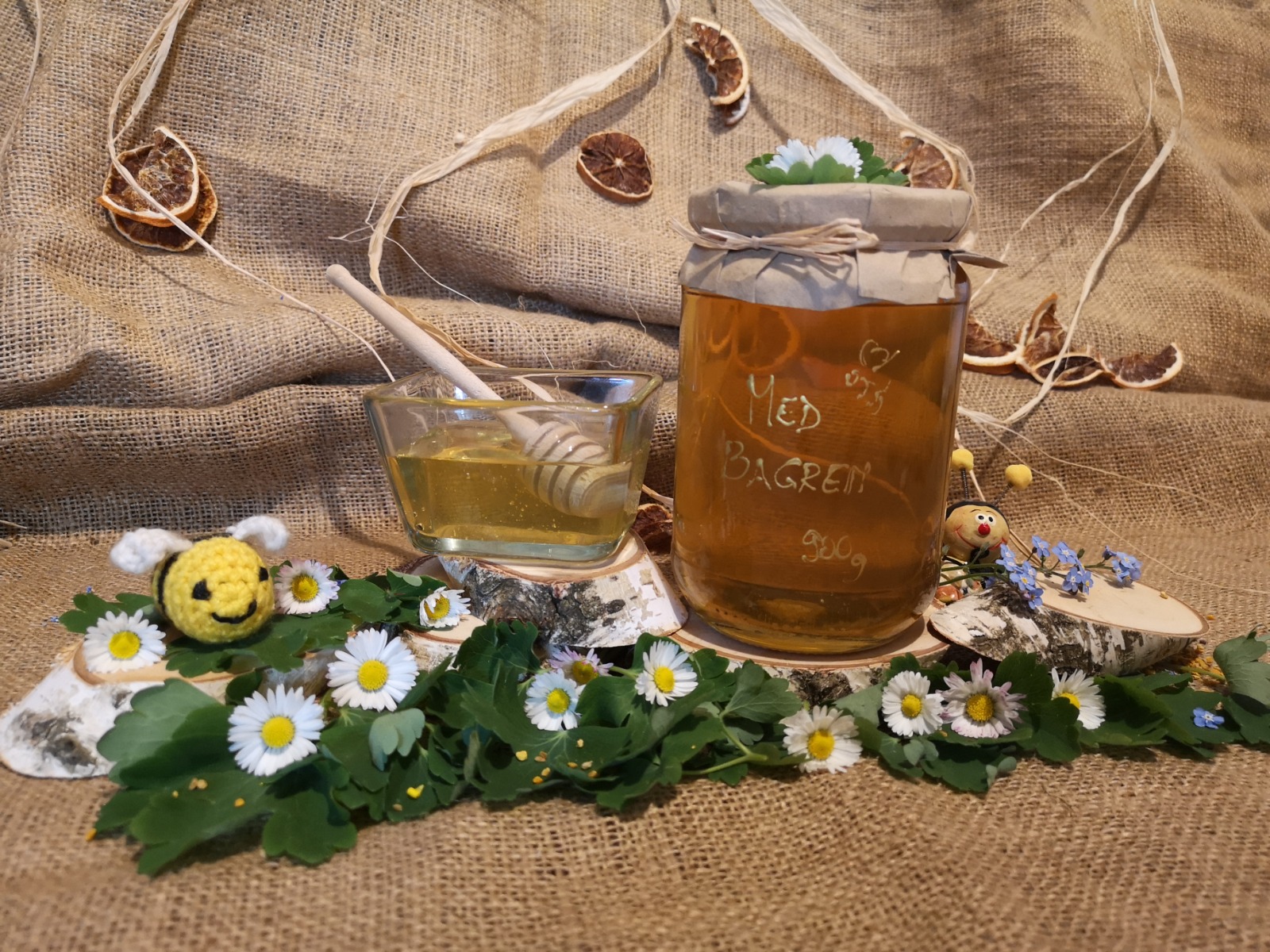
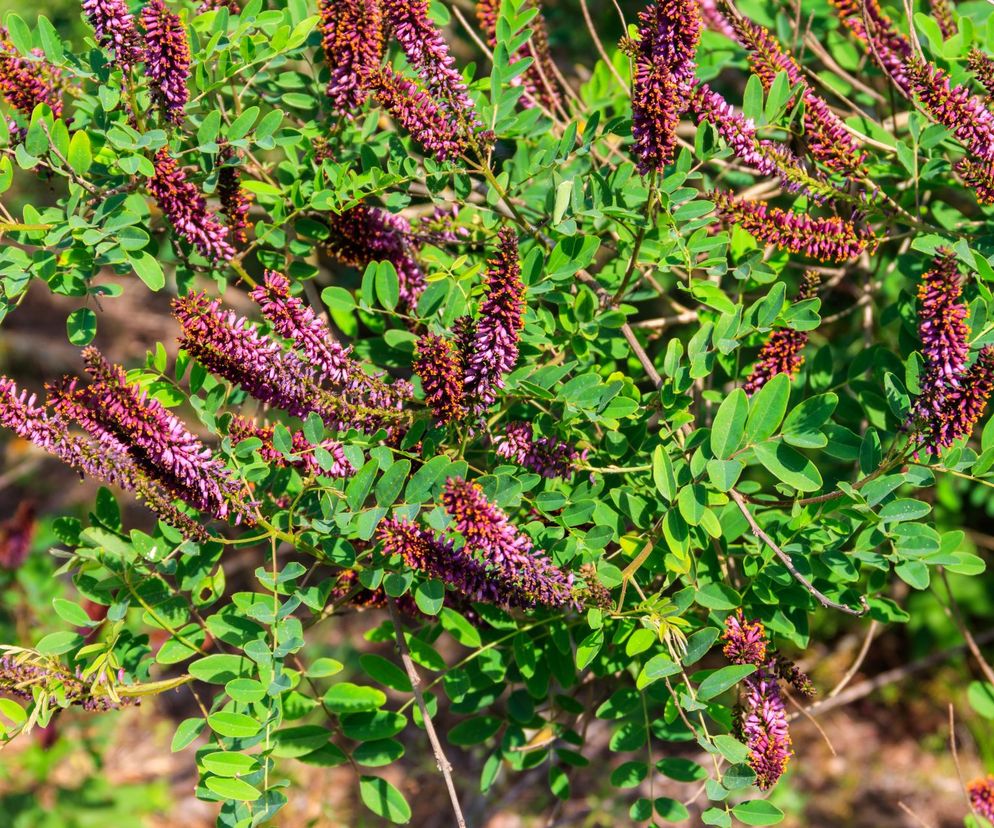
Amorpha (Amorpha fruticosa) is a shrubby plant native to North America, known here as amorfa grm or false acacia. It grows along rivers, canals, lakes and on moist, sandy soils, so it is most often found along the Sava, Drava, Danube and their tributaries. Although considered an invasive species, it is an extremely important nectar source for bees, because it produces abundant nectar at a time when many other plants have already finished flowering.
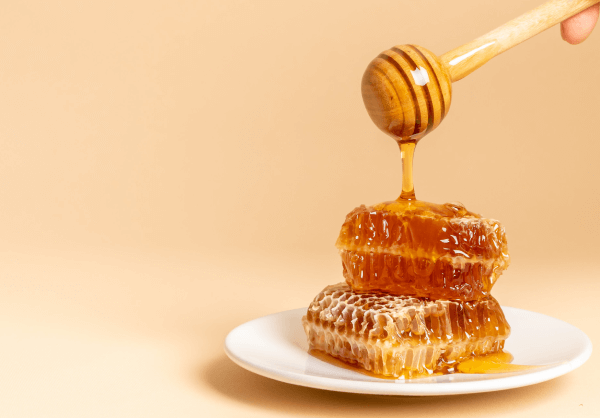
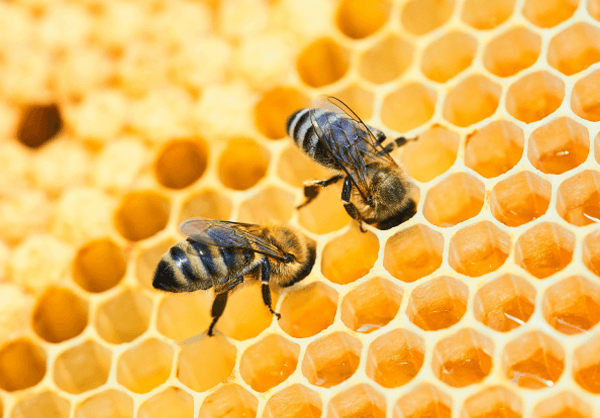
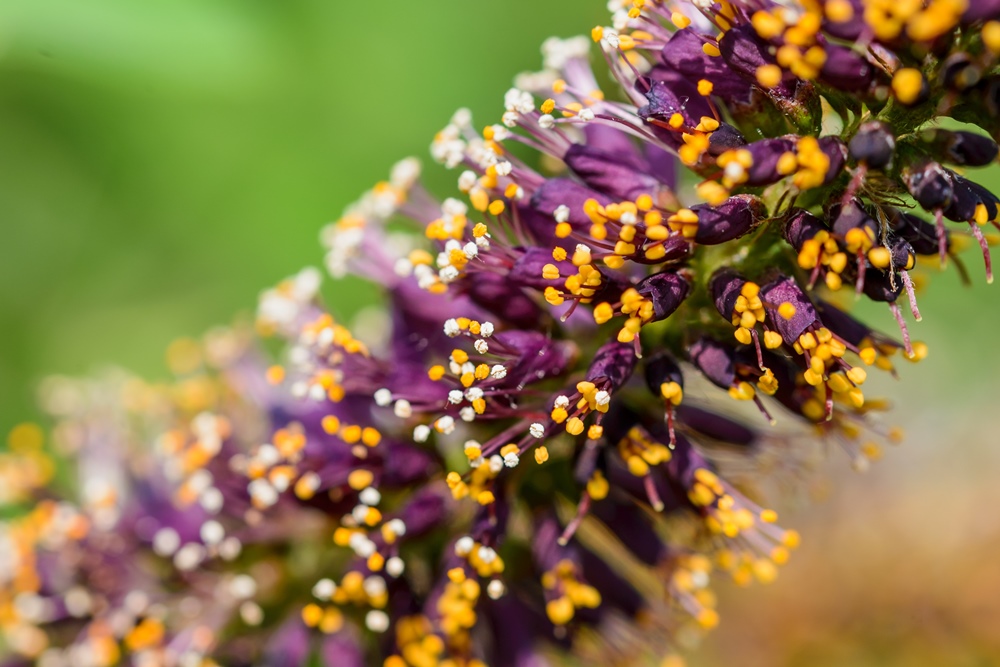
The densely packed, dark purple flower spikes of amorpha are rich in nectar and pollen. During flowering, bees intensively visit amorpha thickets and from the collected nectar produce a distinctive, darker and highly aromatic honey – amorphous honey (honey from false indigo). Thanks to its specific flavour and aroma, it is increasingly appreciated among honey connoisseurs.
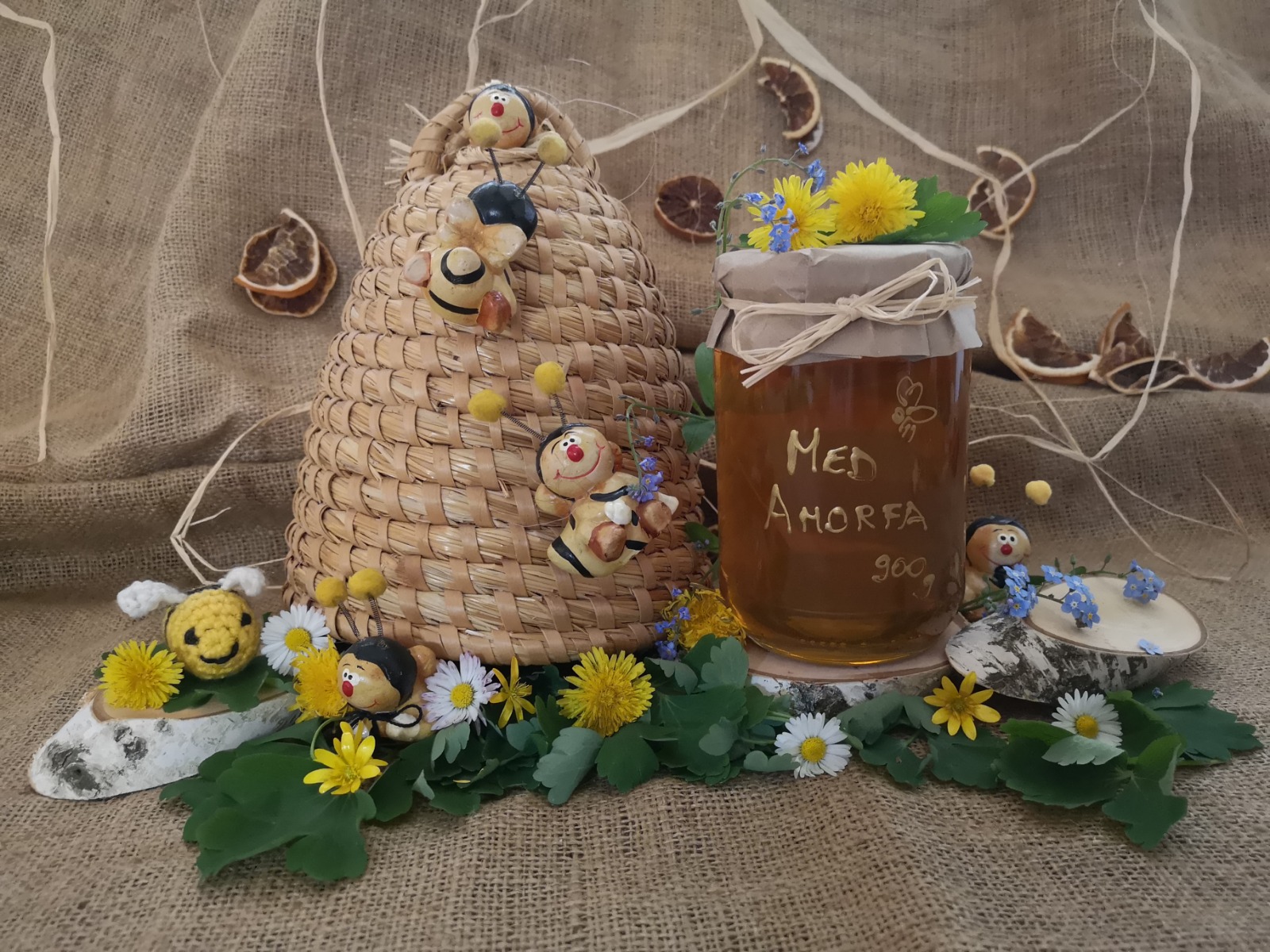
Amorphous honey will be especially appreciated by those who love bold, full flavours and darker types of honey. It is best enjoyed on its own by the spoonful, as a spread, in a lukewarm drink or as a natural sweetener in various dishes. As with all types of honey, it is not recommended for children under one year of age.