loading
OPG Petrec Beekeeping Logo

The finest honey from the heart of Bilogora. For more than three decades we have lovingly nurtured our family beekeeping tradition, dedication to nature and hard-working bees. OPG Petrec – a story of nature, quality and 100% pure honey without additives.

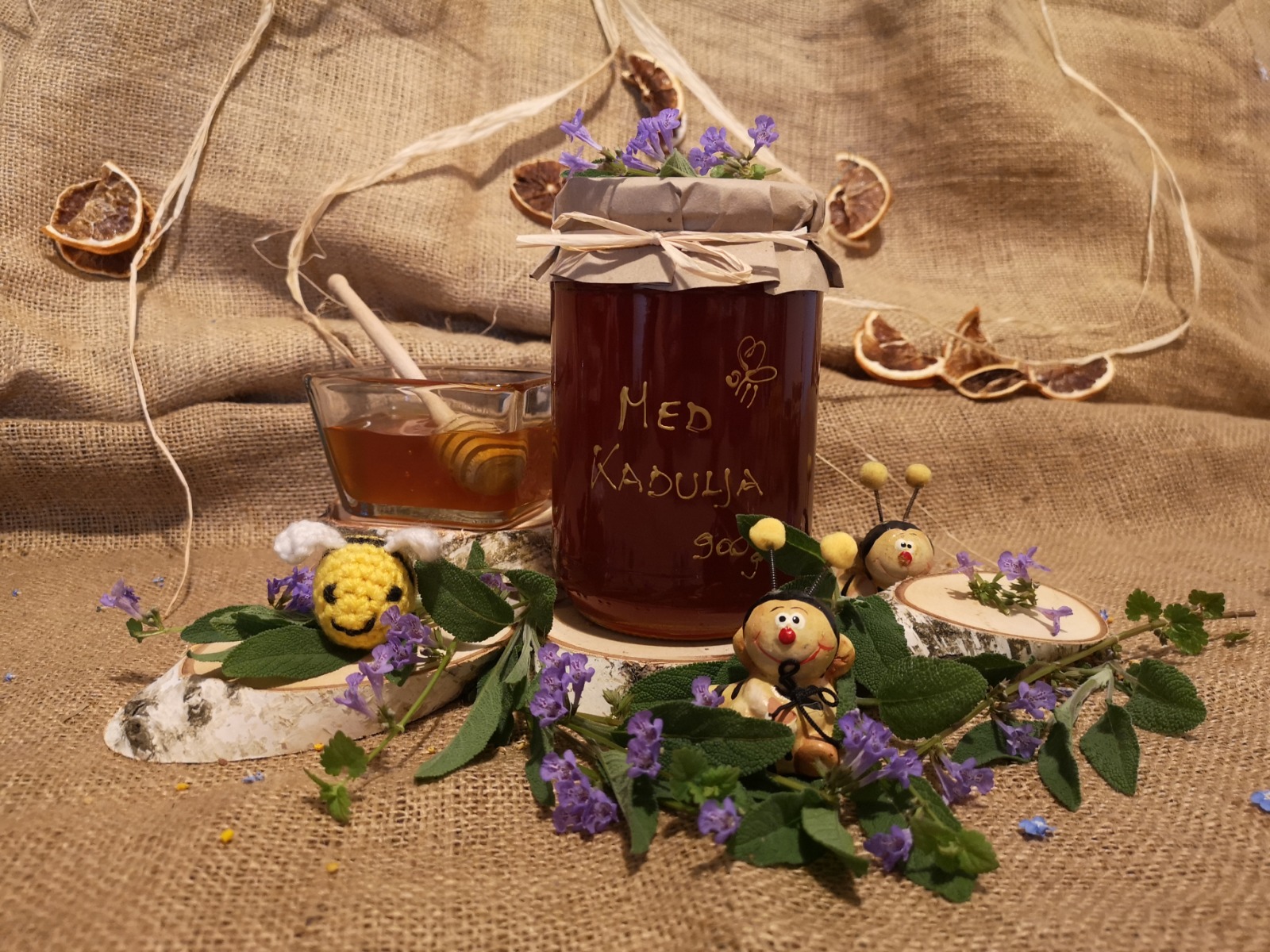
Sage honey

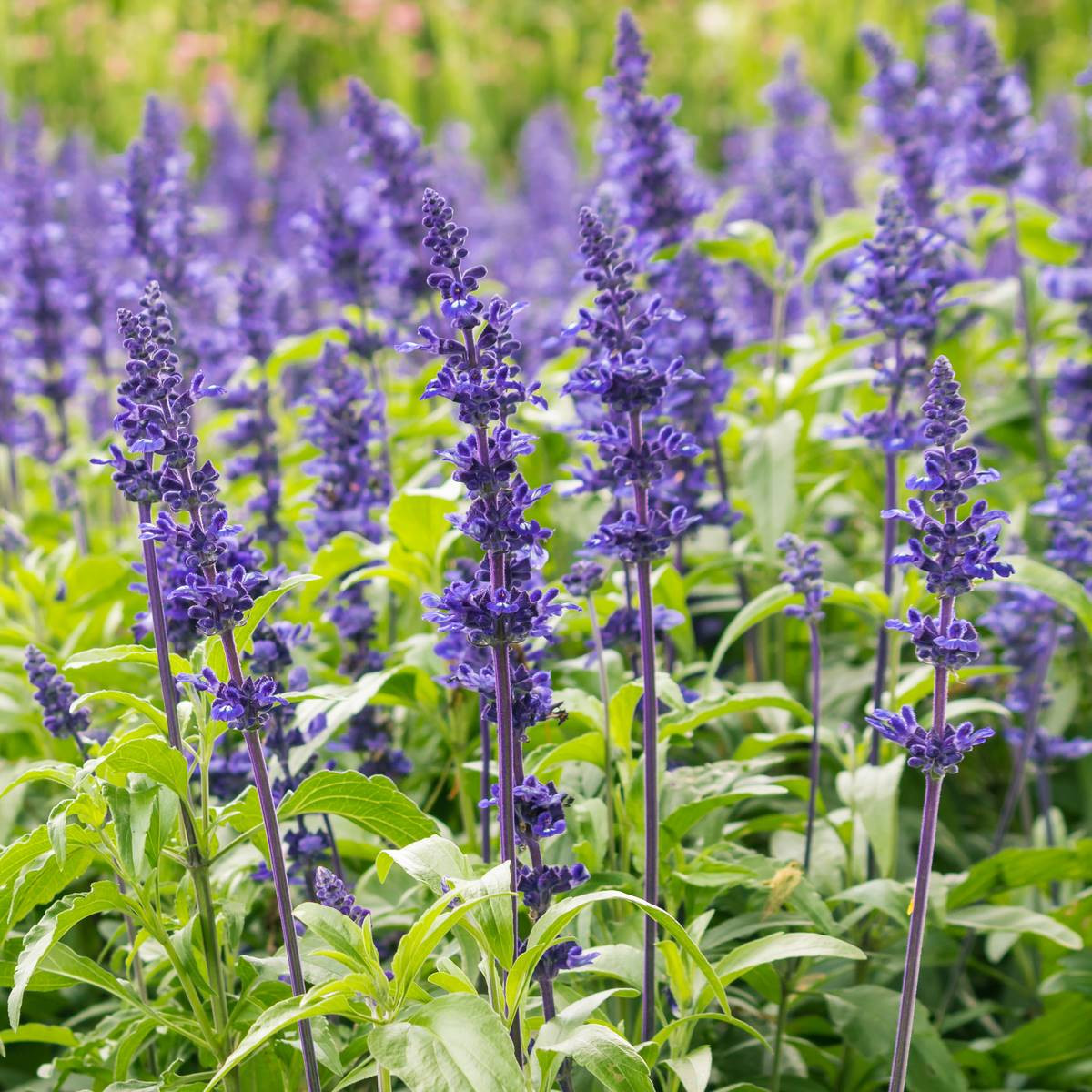
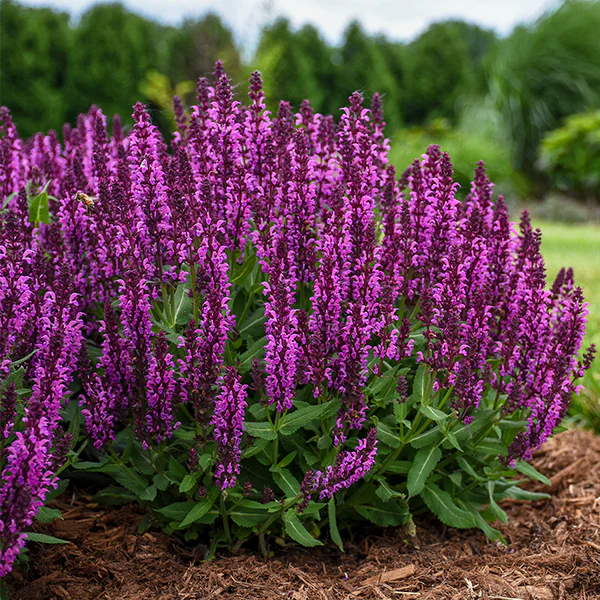
Sage (Salvia officinalis) is an aromatic Mediterranean plant with a distinctive scent and grey-green leaves. It grows on sunny, rocky and dry ground, most often by the sea – along the Dalmatian coast, on the islands and in the coastal area, but also in the karst regions of the interior. It is considered one of the best-known medicinal plants in our region.

During flowering, when the sage bushes turn into purple-blue cushions of flowers, bees intensely collect nectar and create a special, highly prized sage honey. This honey combines the strength of a Mediterranean herb with the richness of a bee product and is counted among the most sought-after types of monofloral honey.
Characteristics of sage honey

  • Colour ranges from light yellow to amber, often with a slight greenish or greyish hue.
  • Distinctive, aromatic flavour – slightly bitter and herbal, with a Mediterranean sage note.
  • Crystallises at a medium rate – usually into fine, light crystals.
  • A favourite among lovers of Mediterranean herbs and natural throat remedies.

Health benefits and use

Kestenovo drvo i kestenov med
  • Often used for sore throat, hoarseness and irritated airways.
  • Known for its mild antibacterial and antiseptic effect.
  • May gently help with digestive discomfort and a feeling of heaviness after meals.
  • Most often used in warm (not too hot) sage tea or other herbal teas.

Sage honey is an excellent choice for the autumn and winter months, when the throat and respiratory system are most exposed. It can be taken on its own by the spoonful, in lukewarm tea or as an addition to food. As always, honey is not recommended for children under one year of age.
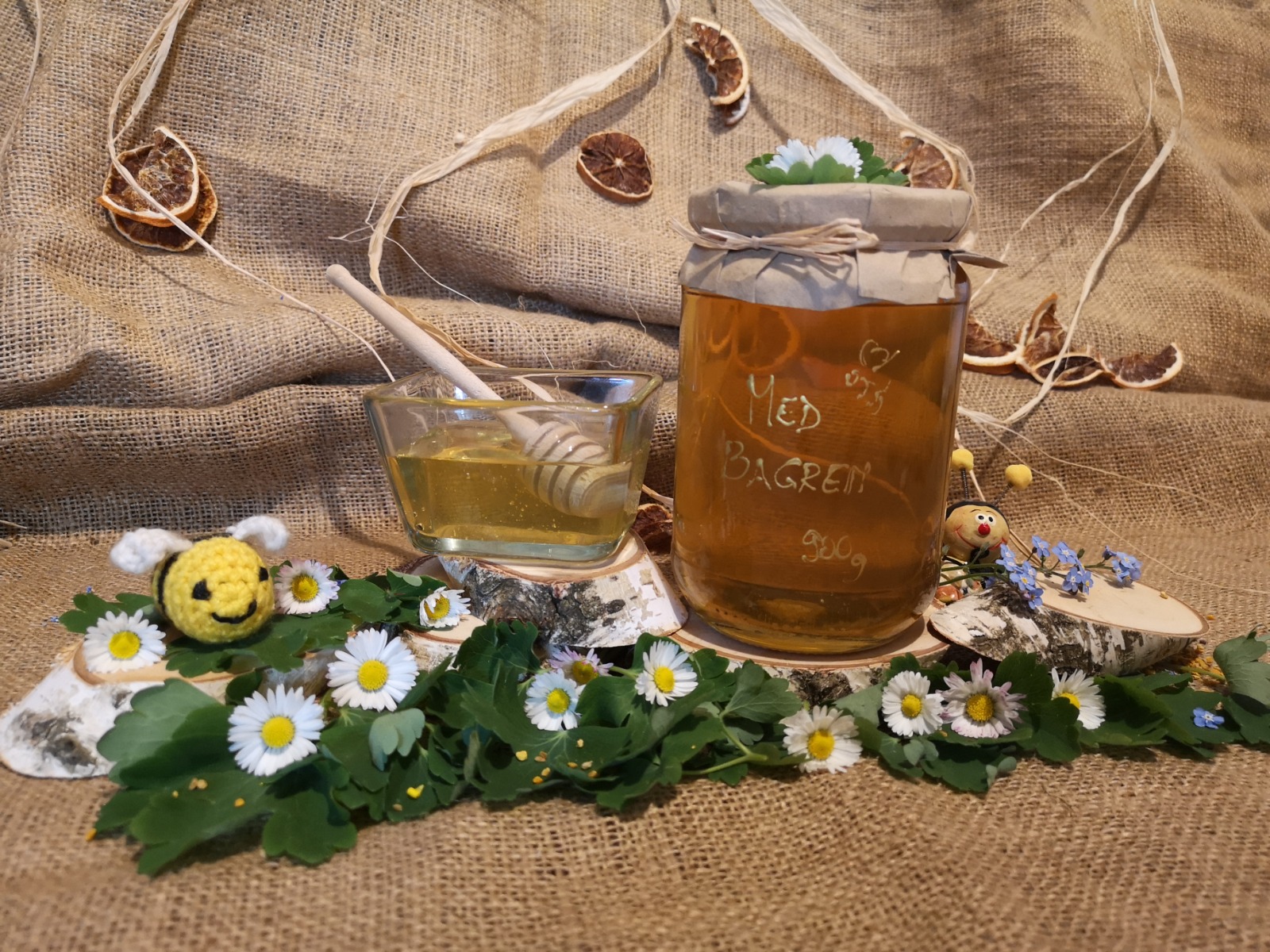
Honey

Kestenov med – snažan, taman i aromatičan

Location

Dalmatian coast and islands, coastal areas and karst regions where sage naturally grows on rocky, sunny terrain.

Certified and verified

Yes – the honey undergoes laboratory analyses of quality and origin, with special attention to the proportion of sage pollen.

Flowering season

Usually May and June, depending on the year and climatic conditions. The honey is extracted after the end of the intense sage flowering.

Follow us on social media